
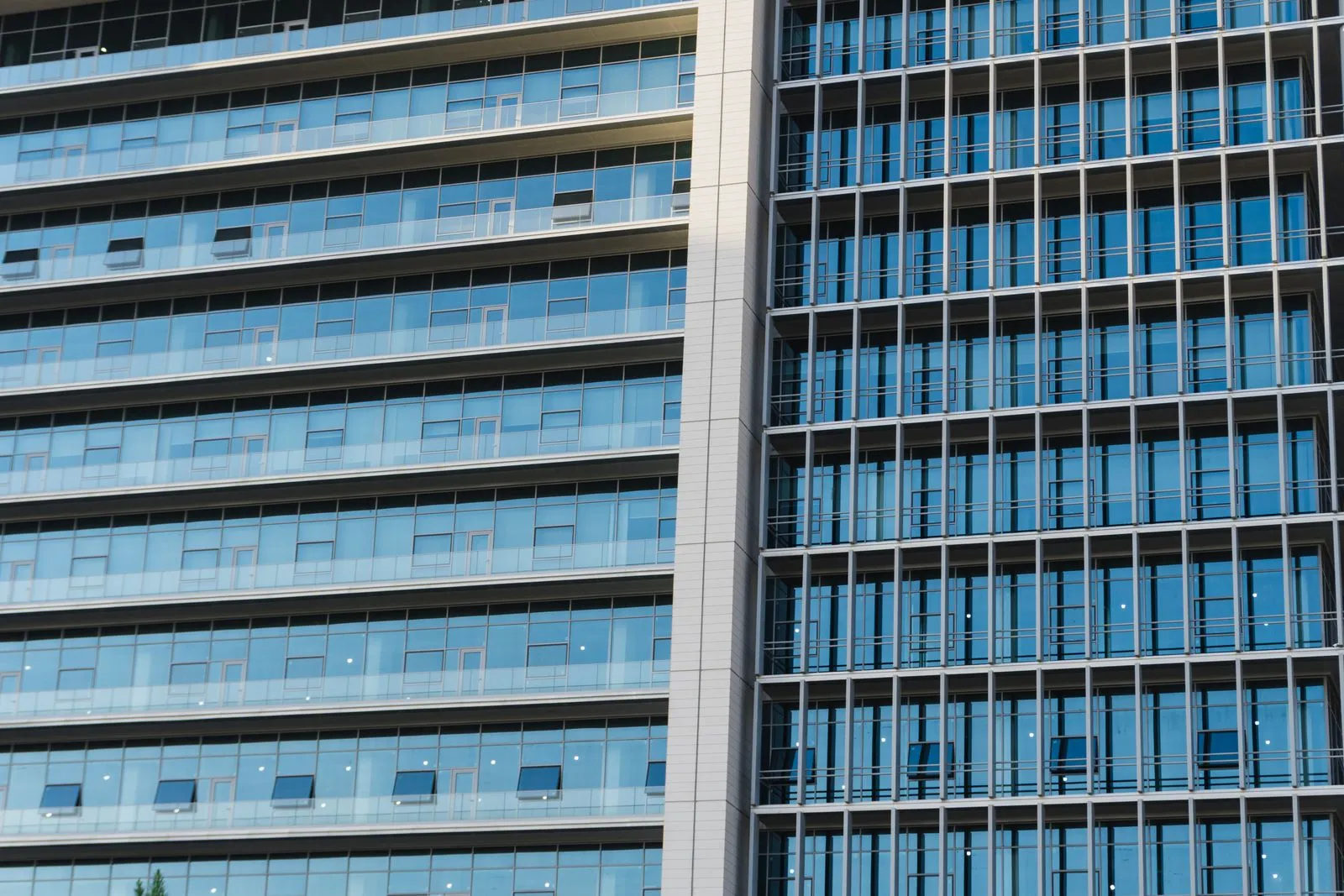
A clean building exterior can improve curb appeal and remove grime, algae, and other buildup. But the cleaning method matters as much as the result: too much pressure can damage a surface, while an approach that is too gentle may not remove stubborn soil. Pressure washing and soft washing use different combinations of water pressure, cleaning solutions, and technique. Choosing between them starts with identifying the exterior material, its condition, and the type of buildup you need to remove.
How the Methods Differ
Pressure washing uses a concentrated stream of water to loosen and rinse away dirt. The operator adjusts pressure, nozzle, distance, and water flow to suit the surface. It can be useful on durable materials with heavy, stuck-on buildup, but a high-pressure stream can scar finishes, force water behind cladding, or damage mortar and seals.
Soft washing relies on low water pressure and a cleaning solution selected for the surface and soil. The solution helps break down organic growth, such as algae, before the area is rinsed gently. It reduces the risk of impact damage, but it still requires correct product selection, application, and rinse control, especially around plants, windows, and building openings.
Match the Method to the Material
Concrete and some masonry can often handle controlled pressure, but that does not mean every setting is safe. Older mortar, painted masonry, decorative finishes, and porous stone may be vulnerable to erosion or water intrusion. A professional should assess the material and start with the least aggressive effective method rather than assuming a surface can tolerate a powerful stream.
Vinyl siding, painted surfaces, stucco, and many exterior panels usually call for low-pressure cleaning. High pressure can crack, dent, strip, or drive water behind these materials. Glass, metal, and composite cladding also need a method suited to their coatings, joints, and manufacturer guidance. When a building combines materials, each area may need a different treatment.
Check Surface Condition First
Existing damage changes what is safe. Look for loose paint, cracked siding, failing caulk, open joints, spalling masonry, and areas where water already gets inside. Washing over these problems can worsen them. Tell the cleaning provider what you have noticed, and ask how the crew will protect vulnerable spots and control runoff.
The type of buildup also matters. Loose dust and general grime may rinse away with modest pressure, while algae or mildew often respond better to a suitable cleaner and gentle rinsing. Oil stains, mineral deposits, and rust may need targeted treatment rather than simply increasing pressure. Test a small, inconspicuous area first to check the cleaning result and surface response.
Choose a Safe Cleaning Plan
Before work begins, confirm which areas will be pressure washed and which will be soft washed. Ask what products the crew plans to use, how it will protect landscaping and nearby surfaces, and how it will manage water near doors, vents, electrical equipment, and pedestrian routes. For commercial properties, schedule work to limit disruption and keep people clear of wet or treated areas.
A qualified provider should explain the reasoning behind the method, not promise one setting for every surface. River City Building Wash serves commercial properties in Chattanooga and can assess exterior materials and condition before recommending an approach. Share any known repairs, sensitive finishes, or recurring stains during the estimate so the cleaning plan can account for them.
Pressure washing and soft washing can both clean building exteriors, but neither is right for every surface. Base the choice on the material, its condition, and the type of buildup, then use the least aggressive method that can do the job. If your Chattanooga property needs an exterior assessment, contact River City Building Wash to discuss a suitable cleaning plan.